

Many people explore porcelain veneers before and after results when thinking about improving their smile. Seeing how teeth can change helps patients understand what modern cosmetic dentistry can achieve.
Smiles change over time. Discoloured teeth, chipped teeth, or worn-down teeth may affect how a smile looks and feels. Some people also notice crooked teeth or small gaps caused by minor misalignments. These changes may lead people to consider a cosmetic dental treatment designed to improve appearance while preserving the health of natural teeth.
One commonly used option is porcelain veneers. These thin ceramic shells attach to the front of teeth to adjust their shape, colour, and overall balance. When carefully designed, veneers can create a natural-looking smile that complements a person’s facial features.
Understanding what happens before and after veneers can help patients decide whether this form of smile enhancement suits their goals.
Why People Look At Porcelain Veneers Before And After Examples
Before deciding on treatment, many patients like to review porcelain veneers before and after images in a clinic’s smile gallery. These examples show how changes in tooth shape and colour may improve the appearance of the smile.
 Common dental concerns seen in “before” images often include:
- Discoloured teeth that do not respond well to teeth whitening
- Chipped teeth caused by wear or small accidents
- Worn-down teeth that appear shorter or uneven
- Crooked teeth or minor misalignments
- Uneven spacing between natural teeth
After treatment, porcelain veneers can improve the appearance of the visible surfaces of the teeth by adjusting colour, shape, and overall balance. When carefully planned as part of a cosmetic dental treatment, the aim is not to create an artificial result but a natural-looking smile that fits comfortably with a person’s natural teeth and facial features.
When patients review porcelain veneers before and after images, some imagine achieving a perfect smile. In reality, cosmetic dentistry usually focuses on creating a harmonious smile that looks natural rather than following a single ideal standard.
What Porcelain Veneers Are And How They Work
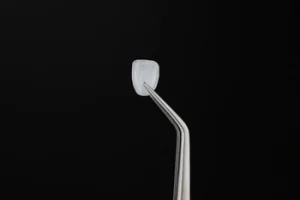
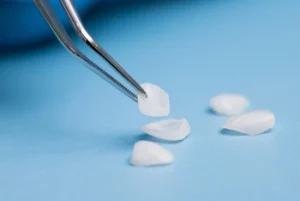
Porcelain veneers are thin ceramic shells bonded to the front surface of teeth. They are designed to change the colour, shape, and alignment of teeth while preserving much of the original structure.
Because porcelain reflects light in a similar way to tooth enamel, natural porcelain veneers can blend with surrounding teeth and maintain a natural-looking result.
Veneers are often used in cosmetic dentistry to address a range of aesthetic concerns. They may be recommended when teeth show visible damage, uneven surfaces, or colour changes that cannot be improved through teeth whitening alone.
When carefully designed, veneers can help create a brighter smile and improve the balance between the teeth, lips, and face.
Types Of Dental Veneers
There are different types of dental veneers, and each option has specific uses depending on the patient’s needs.
Porcelain Veneers
Porcelain veneers are laboratory-made ceramic shells. They are commonly chosen for smile enhancement because they are durable and resistant to staining.
These veneers are shaped to match nearby teeth, allowing them to support a natural-looking smile.
Composite Veneers
Composite veneers are created using composite resin, a tooth-coloured resin material applied directly to the teeth. This technique is sometimes called direct veneers because the material is shaped during the appointment.
Composite veneers may be used to repair small chips or adjust tooth shape, although they may not last as long as porcelain in some cases.
Choosing Between Veneer Types
The choice between veneers often depends on the patient’s goals, the condition of the teeth, and the long-term treatment plan.
What Happens Before Veneer Treatment
Before placing new porcelain veneers, the dentist performs a detailed assessment. This step ensures the treatment supports both appearance and long-term oral health.
During the consultation and early dental visits, the dentist examines:
- The condition of the tooth enamel
- Alignment of natural teeth
- Gum health and bite balance
- Overall facial features
This information helps the dentist plan a cosmetic dental treatment that looks natural and suits the patient’s face.
In some cases, other dental procedures may be recommended first. For example, whitening may be completed before veneers so the surrounding teeth match the final shade.
When veneers are part of a larger plan, they may also be combined with treatments such as gummy smile treatment, porcelain crowns, or porcelain bridges.
The Veneer Preparation And Placement Process
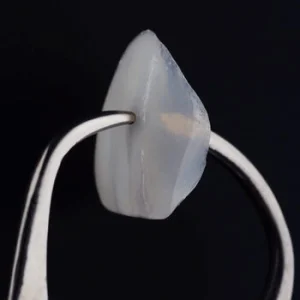 Once the treatment plan is confirmed, the teeth are prepared for veneers. A small amount of tooth enamel may be gently reshaped so the veneer can sit comfortably on the tooth surface.
After preparation, impressions of the teeth are taken. These impressions are used to create the new porcelain veneers in a dental laboratory.
At the following appointment, the dentist checks the fit, colour, and shape of the veneers. Adjustments can be made to ensure they match the surrounding teeth.
Once everything fits correctly, the veneers are bonded to the teeth. After placement, they become part of the visible tooth surface and contribute to a balanced, complete smile.
Temporary Veneers And The “In-Between” Stage
Many people focus on porcelain veneers after results, but there is often an important stage in between. After the teeth are prepared for veneers and impressions are taken, temporary veneers are commonly placed while the final porcelain veneers are being made.
Temporary veneers are lightweight coverings that sit on the front of the prepared teeth. They protect the tooth surface during the period between preparation and final placement. Because a small amount of tooth enamel may be reshaped during the preparation stage, these temporary coverings help reduce sensitivity and shield the teeth from temperature changes and everyday wear.
Another purpose of temporary veneers is to give patients a preview of how the smile may look after treatment. Although they are not identical to the final porcelain veneers, they provide a general sense of the new tooth shape and overall balance of the smile. This stage can help patients become familiar with the appearance and feel of the adjusted teeth before the permanent veneers are attached.
During this period, dentists may also observe how the temporary veneers interact with the bite and surrounding teeth. If any adjustments are needed to improve comfort or alignment, these observations can help guide refinements before the final veneers are placed. In some cases, feedback from the patient about the shape or length of the temporary veneers may also be considered when finalising the design.
Temporary veneers are typically worn for a short period while the dental laboratory creates the permanent porcelain veneers. During this time, patients are usually advised to be mindful of very hard or sticky foods, as temporary materials are not as strong as the final ceramic restorations.
Once the new porcelain veneers are ready, the temporary coverings are removed, and the dentist carefully bonds the permanent veneers to the teeth. This transition marks the shift from the “in-between” stage to the final result, often seen in porcelain veneers before and after images.
Veneers As Part Of Smile Rehabilitation
In some situations, veneers are used alongside other treatments as part of smile makeovers or smile rehabilitation.
For example, veneers may be combined with:
- Porcelain crowns to restore damaged teeth
- Porcelain bridges to replace missing teeth
- Gummy smile treatment to adjust gum levels
- Orthodontic treatment for alignment concerns
When several treatments are combined, the plan may be described as a full mouth rehab or mouth rehab. This type of treatment focuses on improving both function and appearance across the entire mouth.
Veneers can play an important role in these treatment plans because they improve the appearance of the front teeth.
Caring For Veneers After Treatment
Although veneers are durable, they still require proper care to maintain their appearance and function.
Daily brushing and flossing help protect the teeth and gums around the veneers. Maintaining good oral hygiene also helps preserve the health of surrounding teeth.
Regular dental visits allow the dentist to monitor the veneers and detect early signs of wear or damage.
Patients are also advised to avoid habits such as biting hard objects or opening packaging with their teeth, as these actions may damage veneers over time.
With consistent care, veneers can continue supporting a natural-looking smile for many years.
Understanding Veneers Cost And Long-Term Value
 Patients often ask about the cost of veneers when considering treatment. The overall cost can vary depending on several factors.
These may include:
- The number of veneers required
- The complexity of the treatment
- Whether additional dental procedures are needed
- The materials used
Because porcelain veneers are designed as permanent veneers, they are often considered a long-term option within cosmetic dentistry rather than a temporary cosmetic change.
Understanding Porcelain Veneers Before And After Results
Exploring porcelain veneers before and after examples can help patients understand how small adjustments to tooth shape and colour may change the overall smile.
By covering the front surface of teeth, veneers can address chipped teeth, discoloured teeth, and minor misalignments while maintaining the structure of natural teeth.
When carefully planned, veneers aim to create a balanced, natural appearance that complements a person’s facial features. For many patients, this approach supports both confidence and long-term dental health while contributing to a more harmonious smile.
If you would like personalised advice about improving tooth shape or colour, you can book a consultation with us at The Smile Artisans or call 02 9000 1297 to discuss whether porcelain veneers may suit your goals.
Resources
Colgate-Palmolive Company. (n.d.). ‘What Is Tooth Enamel?’. Colgate Oral Care Centre. New York, NY: Colgate-Palmolive Company. https://www.colgate.com/en-us/oral-health/mouth-and-teeth-anatomy/what-is-tooth-enamel
Larson, J. (2019). ‘Everything You Need to Know About Composite Veneers’. Healthline, 23 October. San Francisco, CA: Healthline Media. https://www.healthline.com/health/composite-veneers
Healthdirect Australia. (2025). ‘Orthodontic Treatments’. Healthdirect Australia, February. Sydney, NSW: Healthdirect Australia. https://www.healthdirect.gov.au/orthodontic-treatments
Cleveland Clinic. (2024). ‘Chipped Tooth’. Cleveland Clinic, 30 April. Cleveland, OH: Cleveland Clinic. https://my.clevelandclinic.org/health/diseases/chipped-tooth