

The day your dental implant is placed, the real work begins. Not the difficult kind, but the consistent, day-to-day kind that determines how well your implant integrates and how quickly you move through recovery.
Proper aftercare and following dental implant aftercare tips are straightforward. Consistency is what matters most. How you care for your implant in these early weeks directly shapes your recovery and sets the foundation for a smooth recovery process. Your implant is a titanium fixture sitting in the jawbone, and for it to fuse properly with that bone, the conditions around it need to remain stable. In some cases, bone grafting may have been performed alongside implant placement to build sufficient bone density. This guide covers each stage in the order it happens, from the first 48 hours through to long-term care.
Quick Overview
- The first 48 to 72 hours after implant surgery are the most important window for protecting the surgical site.
- Minor bleeding, bruising, swelling, and discomfort are expected and settle for most adults within the first few days.
- A soft food diet, careful oral hygiene, and avoiding smoking are the three factors that most directly support healing.
- Knowing what to watch for and when to contact your dentist immediately gives you control over your recovery.
Below, we walk through each phase of recovery in the order it happens, so you know what to expect and what to do.
The First 48 Hours: Protecting the Surgical Site
The hours immediately after your procedure are when the surgical area is at its most vulnerable. Dental implants are placed to replace missing teeth, and a blood clot forms at the implant site as soon as surgery concludes. Protecting that clot is the single most important priority on the first day or two.
Bleeding and swelling
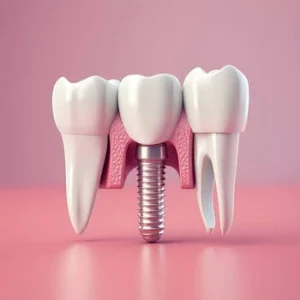 Minor bleeding from the implant area is normal and should reduce gradually over the first few hours. Biting gently on the gauze provided by your dentist helps apply pressure. If bleeding persists beyond a few hours or worsens, contact your dentist immediately rather than waiting.
Swelling and bruising, collectively referred to as bruising swelling, around the jaw and face typically peak around 48 to 72 hours after surgery, then gradually settle. An ice pack applied to the outside of the face in 15-minute intervals during the first 24 hours helps manage this. Keep your head elevated, including while sleeping, to reduce blood flow to the area and limit unnecessary pressure building in the surgical site.
Pain medication and prescribed medication
Take any prescribed medication as directed. Over-the-counter pain relief is suitable for mild discomfort when your dentist has not prescribed something specific. Your dentist will advise which over-the-counter pain relief is appropriate following your procedure. Some medications can interfere with blood clotting, so do not take anything beyond what has been discussed with your treating dentist without checking first.
Eating After Implant Surgery: The Soft Food Phase
What you put in your mouth during recovery matters more than most adults anticipate. Hard foods, sticky foods, acidic foods, and extremely hot foods all pose risks to a healing implant site.
A soft food diet is recommended for at least the first week, and sometimes longer, depending on how your recovery progresses. Eating soft foods takes unnecessary pressure off the implant area while the bone is actively beginning to integrate around the titanium post.
What to eat
Scrambled eggs, yoghurt, mashed vegetables, soup at room temperature, and soft bread are all suitable during the soft diet phase. The goal is to eat soft foods that require minimal chewing and do not place force directly on the implant. A balanced diet rich in nutrients supports tissue repair. Choose protein-rich options like yoghurt, eggs, and soft-cooked fish to maintain adequate nutrition while keeping the mechanical demands on the implant area low.
What to avoid
Hard foods like raw vegetables, crusty bread, and nuts create mechanical stress on the implant post before it has any stability from bone integration. Sticky foods can pull at the surgical site or dislodge forming tissue. Acidic foods slow tissue healing and can cause irritation around sensitive gums. Hot food and drinks increase blood flow to the surgical area, which can interfere with healing in the first few days. This is one of the more commonly overlooked aspects of implant aftercare.
Chewing gum should also be avoided during the recovery period. The repetitive chewing motion places sustained low-level pressure on the implant area and can impede the healing process.
When to expand your diet
Your implant dentist will advise when it is appropriate to reintroduce firmer foods. Do not rush this, even if you feel comfortable earlier than expected. The healing happening beneath the surface during osseointegration, the process by which bone grows around and fuses with the implant, is not visible or always felt. Australian clinical guidance confirms that bone grows around titanium implants over several months, and supporting this process with a careful diet contributes to the implant’s stability.
Oral Hygiene During Recovery
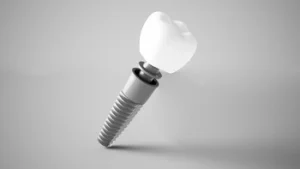 Good oral hygiene after dental implant surgery does not mean aggressive scrubbing. It means keeping the area clean without disturbing what is forming.
For the first 24 hours, avoid rinsing your mouth vigorously. After this, gentle rinses with warm salt water two to three times daily help maintain oral hygiene around the implant site without disrupting healing tissue. Rinse your mouth gently, letting the water flow rather than swishing hard.
From day two onward, continue brushing your natural teeth using a soft-bristle toothbrush. Avoid brushing directly over the surgical site in the first week. When you are cleared to clean around the implant itself, use the same soft brush with a low-abrasive toothpaste, angling the bristles gently toward the implant area without pressing hard. Interdental brushes become an important tool later in recovery for cleaning between the implant and adjacent teeth, where food particles accumulate.
Research confirms that implants require healing after placement and that maintaining adequate hygiene throughout the healing process reduces the risk of infection and implant failure.
Avoid Smoking During and After Recovery
Smoking is one of the most significant factors in implant complications. It reduces blood flow to the healing tissue, slows the body’s ability to form bone contact around the implant, and raises the risk of infection around the implant site.
A 2023 peer-reviewed review confirms that smoking raises implant failure risk significantly compared with non-smokers, and that the relative risk increases with the number of cigarettes smoked. Smoking also impairs the immune response that normally helps the body prevent infection during post-operative recovery.
Your implant dentist will advise how long to avoid smoking. Most guidance indicates a minimum of two weeks either side of surgery, though the risk remains elevated throughout the osseointegration period.
When to Contact Your Dentist
Some symptoms in the recovery period warrant a call to your dentist the same day, not a deferred appointment.
Contact your dentist immediately if:
- Bleeding persists or returns significantly after the first 24 hours
- Swelling increases significantly after day three rather than reducing
- You develop a fever alongside dental discomfort or swelling
- The implant feels loose or shifts
- You notice unusual discharge or an unpleasant taste around the implant site
These signs may point toward implant rejection, infection, or a complication requiring prompt assessment. Catching complications early preserves far more options than waiting until symptoms become severe.
Long-Term Implant Care
The aftercare period does not end when you feel back to normal. Regular dental check-ups allow your dentist to monitor bone levels and gum health around the implant and address early signs of peri-implantitis before they develop into larger issues. Maintaining good oral hygiene and following your dentist’s post-operative instructions throughout the full healing period is the foundation of proper dental implant care.
Have Questions About Your Recovery? We Are Here to Help
Recovery after dental implant surgery raises questions, and it is always worth asking them. At The Smile Artisans, we provide detailed post-operative care guidance to all our implant patients and remain available if anything comes up during your recovery.
If you have concerns about healing, want to book a follow-up, or would like to discuss dental implants, please call us on (02) 9000 1297.
Frequently Asked Questions
 How long does it take to recover from dental implant surgery?
 How long does it take to recover from dental implant surgery?
Most adults return to normal daily activity within three to five days of the procedure. The initial soreness, swelling, and dietary restrictions ease within the first week for the majority of patients. The deeper biological process of osseointegration, where the bone fuses with the implant post, continues beneath the surface for three to six months. Your implant dentist will confirm at follow-up appointments when each phase of recovery is complete.
Can I exercise after dental implant surgery?
Light walking is generally acceptable from day two onward. Strenuous exercise, heavy lifting, and activities that raise your heart rate significantly should be avoided for at least five to seven days. Physical exertion increases blood pressure and blood flow to the surgical site, which can disturb healing tissue and cause bleeding to return. Your dentist will advise based on the specifics of your procedure.
Any surgical or invasive procedure carries risks. Before proceeding, you should seek a second opinion from an appropriately qualified health practitioner.
References
https://ada.org.au/swedish-study-examines-the-longevity-of-single-tooth-implant-treatments
https://www.mayoclinic.org/tests-procedures/dental-implant-surgery/about/pac-20384622