

A bright, healthy-looking smile is something many people value. Over time, everyday habits and natural ageing can change the colour of teeth. Drinks such as coffee or red wine, certain foods, and everyday wear can gradually cause stains that regular brushing alone may not easily remove.
This is where professional teeth whitening may help. A dentist can examine the condition of your teeth and suggest a suitable teeth whitening treatment that aims to safely lighten the shade of your smile. Unlike store products, professional teeth whitening services are supervised and adjusted to suit each person’s dental needs.
Understanding how the treatment works, what outcomes may occur, and how long the effects may remain can help patients make well-informed choices about their dental care.
Why Teeth Can Become Discoloured Over Time
Teeth naturally change colour as people age. The tooth’s outer layer, known as the tooth enamel, can slowly wear down over time. When this happens, the inner dentine layer becomes more visible, which can make teeth appear darker.
In many cases, colour changes happen because of surface stains. These are pigments that attach to the enamel and build up slowly. Common sources include:
- Coffee and tea
- Red wine
- Dark sauces and foods
- Tobacco
- Natural ageing
When these stains accumulate, the teeth may look dull or uneven in colour. Discoloured teeth can affect how a person feels about their smile, even if their teeth are otherwise healthy.
Professional treatment focuses on removing stains and lightening the tooth surface in a controlled way.
What Is Professional Teeth Whitening?
Professional teeth whitening is a dental treatment designed to lighten the colour of natural teeth. The teeth whitening procedure uses carefully formulated whitening agents that break down stain molecules inside the enamel.
A dentist usually performs or supervises the whitening process. The treatment is customised based on the patient’s teeth and overall oral health.
Many people choose professional teeth whitening treatment because it allows the dentist to do the following:
- Assess the health of the teeth and gums before beginning treatment.
- Select a safe concentration of whitening gel.
- Adjust the method to minimise sensitivity.
The goal is to safely improve tooth colour while protecting the surrounding gums and enamel.
How Professional Whitening Treatments Work
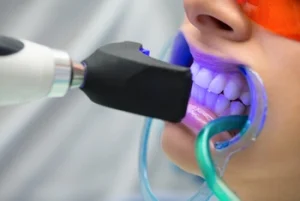 The active ingredients used in most whitening treatments are hydrogen peroxide or carbamide peroxide. These compounds release oxygen molecules that break down the stain particles embedded within the enamel.
During the whitening treatment, a carefully measured whitening gel is applied to the teeth. This gel begins reacting with the stains, gradually lightening their appearance.
This chemical reaction does not remove enamel. Instead, it works by changing how stain molecules reflect light, which can create a whiter smile.
Modern teeth whitening technology allows dentists to control this process carefully. Some systems include protective barriers for the gums or additional materials such as an enamel booster to help support tooth structure during treatment.
In Chair Whitening: A Faster Option
In-chair whitening is often selected when people want a noticeable improvement in tooth colour within a short period of time. Because the treatment takes place at the dental clinic, the entire process is completed during a scheduled appointment.
Many patients consider this option before events such as weddings, job interviews, or important social occasions. Completing the treatment in one visit can make it easier to plan around these situations.
Another advantage is the ability for the dentist to monitor how the teeth respond during the session. If sensitivity occurs or if the shade change develops quickly, the dentist can adjust the treatment accordingly.
In-chair whitening may also be recommended when stains are deeper or when patients prefer a more structured approach rather than completing whitening at home. The dentist can assess the teeth beforehand and determine whether this method may be suitable based on the condition of the tooth enamel and the patient’s whitening goals.
Because the treatment is completed in the clinic, patients leave the appointment with the whitening stage already finished, rather than continuing the process over several days or weeks.
Take-Home Whitening With Custom Trays
Another approach involves take-home whitening guided by the dentist. This method uses custom-made trays that fit closely around the teeth.
The dentist first takes impressions to create custom-fitted trays designed for the patient’s mouth. These trays hold a measured amount of whitening gel and keep it in contact with the tooth surface.
Patients wear the trays for a short period each day, usually over two weeks, depending on the recommended treatment plan.
Take-home systems are sometimes considered cost-effective, and they may allow gradual shade improvement. Many people appreciate the flexibility of completing the treatment at home while still receiving guidance from dentists.
Professional Teeth Whitening In Sydney
People considering teeth whitening treatment may find several approaches available, depending on the clinic and treatment plan.
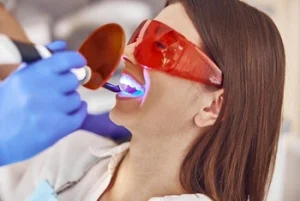 Sydney has many dental clinics that provide both in-clinic whitening treatments and dentist-guided take-home systems.
A dentist may explain the different approaches available, including in-chair whitening completed during a single appointment or home whitening using custom-made trays.
When choosing a dentist, patients often consider factors such as appointment availability, treatment approach, and convenience of location.
During a consultation, the dentist examines the teeth and gums to determine whether professional teeth whitening may be appropriate. The recommended approach can vary depending on the condition of the teeth and the patient’s goals for improving tooth colour.
Do Teeth Whitening Kits Work?
Many stores sell teeth whitening kits, which may include strips, trays, or gels. These products generally contain lower concentrations of whitening agents compared with professional treatments.
While some whitening kits can improve mild surface stains, they may not always produce the same level of change. The trays are usually not customised, which can make it harder to distribute the gel evenly.
Because of this, some people prefer professional teeth whitening services where the dentist can monitor the process and aim for appropriate results suited to the individual’s teeth.
Factors That Influence Teeth Whitening Results
A common question patients ask is how long teeth whitening lasts after treatment.
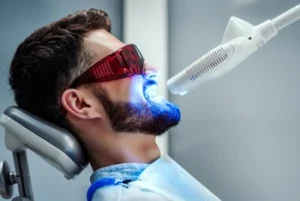 The results may differ based on several factors, including:
- Daily diet
- Oral hygiene habits
- Exposure to staining foods or drinks
- Natural enamel characteristics
For many people, the results remain visible for months or even longer. Maintaining good oral hygiene and limiting staining drinks like coffee or red wine may help support long-lasting results.
From time to time, maintenance whitening may be suggested to help keep the smile looking bright.
Who May Benefit From Professional Teeth Whitening?
People often consider professional teeth whitening when they want to brighten their smile and improve the overall appearance of their teeth.
The treatment may help with:
- Mild to moderate tooth discolouration
- Yellowing caused by age
- Stains from drinks such as coffee or tea
- General dullness in the tooth surface
However, whitening does not change the colour of fillings, crowns, or other dental materials. A dentist will check whether the treatment is suitable for each patient.
If the teeth and gums are healthy, whitening may be included as part of a broader dental treatment plan designed to support a confident smile.
Maintaining A Brighter Smile After Whitening
After a professional teeth whitening treatment, maintaining good habits can help keep the colour stable.
Simple steps include:
- Brushing twice daily with fluoride toothpaste
- Cleaning between teeth regularly
- Rinsing the mouth after consuming staining drinks
- Visiting the dentist for routine check-ups
These habits help protect the tooth enamel and reduce the chance of new stains developing.
With proper care, many patients continue enjoying the appearance of their teeth and a healthier-looking smile for a longer period.
Final Thoughts On Professional Teeth Whitening
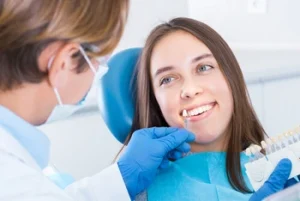 Tooth colour changes are common and can happen gradually over time. Professional whitening provides a controlled way to reduce stains and enhance the look of the smile with guidance from a dentist.
By using controlled whitening agents and modern teeth whitening technology, dentists aim to make the whitening treatment both effective and safe for the teeth and gums.
Whether through in-chair whitening or customised take-home trays, professional treatments focus on improving the colour of natural teeth while supporting overall oral health.
For many people, professional whitening can be a practical step toward a brighter, more confident smile.
If you are thinking about professional teeth whitening or would like advice about suitable treatment options, you can book a consultation with us at The Smile Artisans or call 02 9000 1297 to discuss your goals with a dentist.
Resources
“Colgate (2023). ‘What Is Good Oral Hygiene?’. Colgate, 9 January. New York, NY: Colgate-Palmolive Company. https://www.colgate.com/en-us/oral-health/adult-oral-care/what-is-good-oral-hygiene”
“Cleveland Clinic (2025). ‘Tooth Enamel’. Cleveland Clinic, 10 July. Cleveland, OH: Cleveland Clinic. https://my.clevelandclinic.org/health/body/24798-tooth-enamel”
“Lindberg, S. (2020). ‘What Can Cause Tooth Discoloration and Stains?’. Healthline, 14 February. San Francisco, CA: Healthline Media. https://www.healthline.com/health/tooth-discoloration”