

Losing one or more teeth can affect everyday activities such as eating and speaking. Missing teeth may also change the way other teeth sit in the mouth over time. Because of this, many people look for reliable tooth replacement options that support comfort and long-term oral health.
One commonly used approach is the dental implant procedure. This treatment places a small support inside the jaw so a replacement tooth can sit securely in the mouth. Unlike traditional dentures or bridges supported by nearby teeth, dental implants rely on the jawbone for stability.
Speaking with a dentist can help clarify whether dental implant treatment may be suitable and what the process involves. Understanding the steps in advance can make the treatment easier to follow. The stages usually involve planning, implant surgery, healing, and the placement of the final tooth.
Why Dental Implants Are Used To Replace Missing Teeth
When tooth loss occurs, the gap can affect more than appearance. The surrounding bone that previously supported the tooth may gradually shrink because it no longer receives regular pressure from chewing.
 If this happens, the shape of the jaw can change, and nearby teeth may shift. This is why dentists often discuss replacing missing teeth sooner rather than later.
Dental implants offer a method of tooth replacement that works with the jawbone rather than sitting on top of the gums. The implant serves the same role as a tooth root, helping hold artificial teeth securely in place.
Compared with removable traditional dentures, implants can provide greater stability during chewing. They also avoid placing pressure on surrounding teeth or remaining teeth.
By supporting new teeth, implants can help restore normal chewing ability and overall oral function.
Initial Consultation And Treatment Planning
The dental implant process begins with an initial consultation, where the dentist evaluates the mouth and reviews the patient’s medical history.
Several factors are assessed, including:
- Current oral health
- Condition of the gum tissue
- The amount of bone density in the jaw
- Position of the surrounding teeth
- Shape of the bone structure
Imaging may also be used to evaluate the upper jaw and lower jaw. This helps determine whether the underlying jawbone has enough strength to support implant placement.
Based on this information, the dentist prepares a personalised treatment plan. This plan explains the steps of the implant procedure, including whether any preparatory procedures are required before surgery.
Preparatory Procedures Before Implant Placement
Some patients require additional preparation before the implant can be placed. These steps help create a strong base for the implant and protect the long-term outcome.
For example, tooth extractions may be needed if damaged teeth remain in the treatment area. Removing them allows the site to heal before the next stage begins.
In cases where the jaw has lost strength, bone grafting may be recommended. This procedure rebuilds the surrounding bone so it can support the implant properly.
Patients with reduced bone in the upper jaw may also require a sinus lift. This treatment creates extra space so graft material can strengthen the bone structure.
These preparatory procedures help ensure the implant site will provide a solid foundation for the implant during healing.
What Happens During Dental Implant Surgery
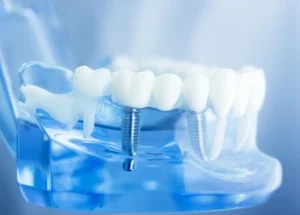 Once the mouth is ready, the next stage is dental implant surgery.
During implant surgery, the dentist first applies local anaesthesia so the treatment area becomes numb. This helps keep the patient comfortable throughout the procedure.
A small opening is made in the gum tissue to reach the underlying jawbone. The dentist then prepares the implant site before carefully positioning a small titanium post within the jawbone. This step is known as dental implant placement.
The titanium post serves as the artificial root for the replacement tooth. After it is placed, the gum tissue is positioned carefully so the area can begin the healing phase.
The Healing Phase And Bone Integration
Following surgery, the mouth begins the healing process. During this stage, the implant slowly connects with the surrounding bone.
Over time, the implant fuses with the jawbone. This connection allows the implant to remain stable when chewing, similar to the way natural teeth are supported by the jaw.
The healing phase can take several weeks or months, depending on the individual and the condition of the bone.
During recovery, patients are often advised to eat soft foods while the area settles. Careful mouth cleaning is also important, as good oral hygiene supports healthy gum tissue and the stability of the implant.
Following the dentist’s postoperative care instructions helps protect the area around the implant and supports the healing process.
Abutment Placement And The Final Restoration
After healing is complete, the next step is abutment placement.
An abutment is a small connector that attaches to the implant. It sits above the gum and supports the replacement tooth.
Once the abutment is positioned, impressions of the mouth are taken so a dental laboratory can produce the final restoration. This restoration is the visible tooth that attaches to the implant.
The new tooth is shaped to match nearby teeth so it blends with the rest of the smile.
When the final restoration is attached, the implant can support chewing and speaking in a way similar to natural teeth. For many people, this stage completes the dental implant procedure and restores confidence in their beautiful smile.
Long-Term Care And Possible Risks
Although implants are designed to be durable, they still require regular care.
Maintaining good oral hygiene, attending dental check-ups, and following professional advice all help keep the implant and surrounding bone healthy.
Patients should pay attention to cleaning around the implant, as healthy gum tissue is important for long-term stability.
Like any surgical treatment, complications can sometimes occur. One possible issue is implant failure, which may happen if the implant does not integrate with the bone or if infection develops.
Regular dental reviews allow any concerns to be identified early.
Understanding The Entire Dental Implant Process
The dental implant procedure includes several carefully organised stages. From the initial consultation and preparatory procedures to implant surgery, healing, and the final restoration, each step supports long-term oral function.
By anchoring replacement teeth directly into the jaw, dental implants provide a stable option for replacing missing teeth. They support chewing ability, help maintain the surrounding bone, and protect nearby teeth from unnecessary strain.
For many patients experiencing tooth loss, dental implants can provide a structured and reliable path toward restoring comfort, function, and a confident smile.
If you would like personalised advice about replacing missing teeth or want to learn more about the dental implant process, you can book a consultation with us at The Smile Artisans or call 02 9000 1297 to discuss your options with a dentist.
Note: Any surgical or invasive procedure carries risks. Before proceeding, you should seek a second opinion from an appropriately qualified health practitioner.
Resources
Kubala, J. (2023). ‘Soft Food Diet: Foods to Eat and Foods to Avoid’. Healthline, 15 March. San Francisco, CA: Healthline Media. https://www.healthline.com/nutrition/soft-food-diet
Warwick, K. W. (2023). ‘Dentures’. Cleveland Clinic, 10 March. Cleveland, OH: Cleveland Clinic. https://my.clevelandclinic.org/health/treatments/10900-dentures
Colgate-Palmolive Company. (2023). ‘What Is Good Oral Hygiene?’. Colgate Oral Care Centre, 9 January. New York, NY: Colgate-Palmolive Company. https://www.colgate.com/en-us/oral-health/adult-oral-care/what-is-good-oral-hygiene